


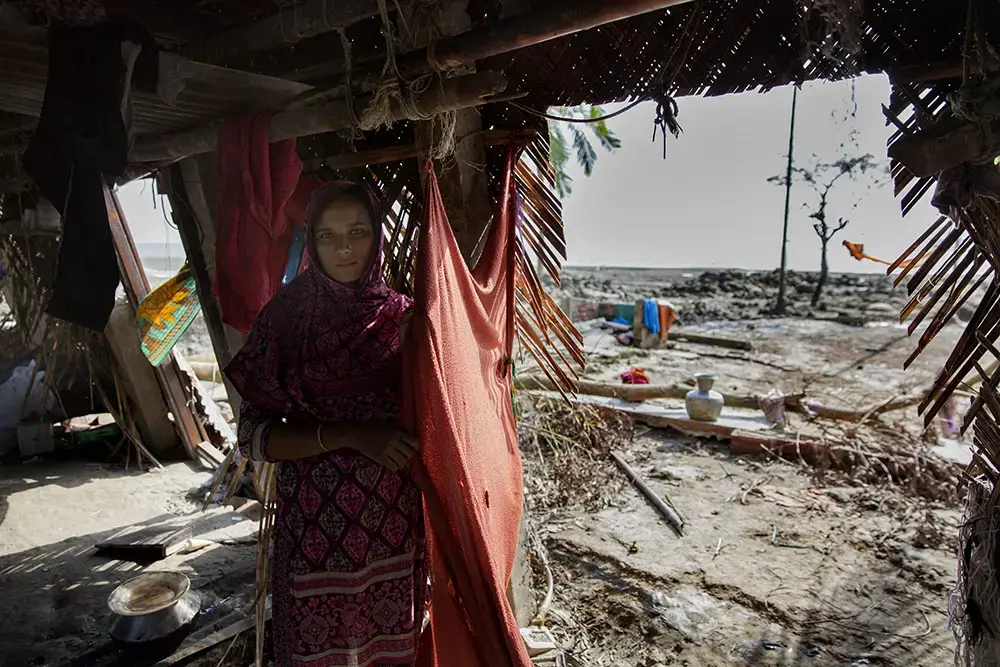

Bangladesh has achieved a 16% reduction in child marriage since 2011 at a rate of 2.1% per year. However, these improvements are not distributed equally across the country. Significant reductions are seen among the affluent and educated segments of society, while the prevalence of child marriage remains alarmingly high among underprivileged, uneducated, rural girls. The persistence of economic disparities, unequal access to education, particularly the opportunity to complete secondary education, limited agency of girls, entrenched gender norms, and the slow change of societal mindset - amplified by overarching factors like climate change and inflation - pose serious threats to this hard-earned progress. Child brides experience higher rates of violence and childbearing, reduced educational and decision-making opportunities, and endure economic hardship compared to adult brides.
Although the rate of reduction in child marriage has notably accelerated over the last decade compared to the preceding two, Bangladesh continues to lead the region with persistently high rates among girls under 15 and 18 within the 20-24 age group with the lowest rate of annual rate of reduction.
The Demographic and Health Survey in Bangladesh estimates the child marriage rate under 16, which was 27 percent in 2022. To ensure comparability with other countries in the region, the Multiple Indicator Cluster Survey (MICS) results have been used to depict marriage under 15.
The prevalence of child marriage in Bangladesh has undergone a significant change from its widespread occurrence in the 1970s. Recent findings from two nationally representative surveys—one facilitating intra-country comparisons and the other allowing for cross-country assessments—consistently demonstrate progress. Nevertheless, the data still reveals that one in every two adolescent girls aged 20-24 were married before turning 18. Notably, the rate of reduction has been considerably faster for younger adolescent girls, with child marriages under the age of 15 accounting for less than 15%.
UNFPA focuses on ending child marriage through a targeted, multisectoral, and adaptive programming approach, as there are numerous intersecting drivers contributing to the persistent practice. UNFPA also ensures support for the full operationalization of the National Action Plan for Ending Child Marriage, including enhanced inter-ministerial coordination and inclusion in fully costed plans, which is geared towards promoting greater government ownership and expediting implementation.


